
Obesity is one of the most pressing global health challenges of our time, affecting millions of individuals across all age groups. Managing weight effectively involves a comprehensive approach that includes regular physical activity, stress management, adequate sleep, and—most importantly—dietary adjustments. When people attempt to manage obesity or lose weight, they often focus entirely on reducing their main meals, completely overlooking the crucial role that snacking plays in their daily routine.
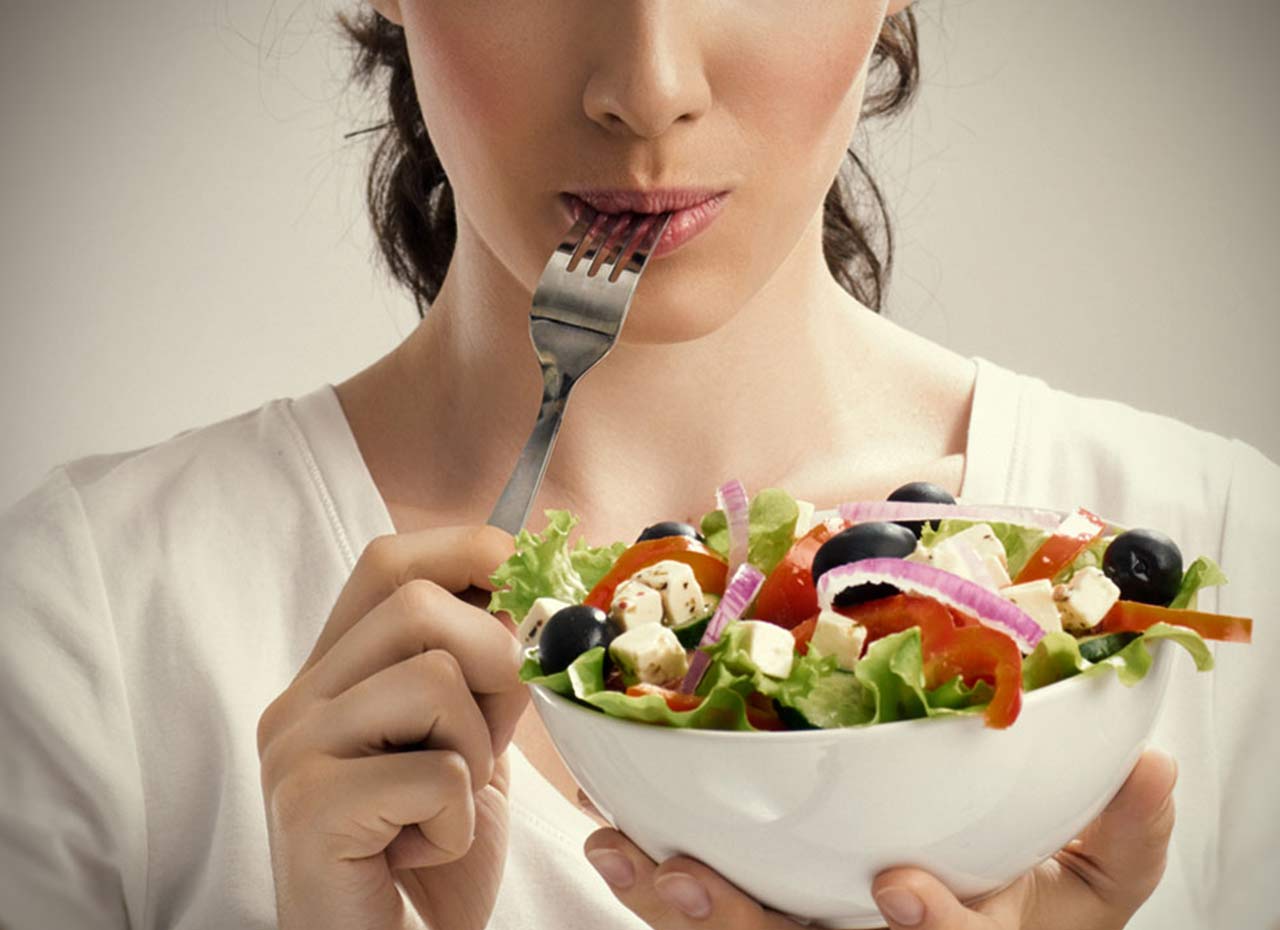
Snacking can either be a major pitfall or a powerful tool on the journey toward a healthier weight. Mindless consumption of highly processed, calorie-dense foods between meals can quickly lead to weight gain. However, when approached with intention and nutritional knowledge, smart snacking can stabilize blood sugar levels, keep hunger hormones in check, and prevent the overeating that typically occurs during breakfast, lunch, or dinner. Here is a comprehensive guide to understanding healthy snacks specifically tailored for managing and preventing obesity.
The Nutritional Science of Weight-Conscious Snacking
To understand how snacks can help combat obesity, we must shift our perspective from simply cutting calories to maximizing nutrient density. A healthy snack for weight management should fulfill a specific nutritional blueprint: it must combine dietary fiber, lean protein, and healthy fats.
This specific macro-nutrient combination is vital because it directly impacts satiety—the feeling of fullness. Refined carbohydrates and sugary snacks cause a rapid spike in blood glucose, followed by an immediate crash. This crash triggers the hormone ghrelin, which signals the brain that it is hungry again, leading to a vicious cycle of continuous eating.
In contrast, fiber expands in the digestive tract and slows gastric emptying, while protein and healthy fats take longer to break down. This ensures a slow, sustained release of energy, keeping you satisfied for hours and making it much easier to maintain a necessary caloric deficit without feeling starved.
Smart and Satisfying Snack Options
When selecting snacks to help manage weight, focusing on whole, minimally processed foods is always the best strategy. Here are excellent options that provide high volume and nutrition with a relatively low caloric footprint.
Air-Popped Popcorn with Nutritional Yeast
Many people are surprised to learn that popcorn is actually a whole grain. When it is air-popped without excessive butter or oil, it is an incredibly low-calorie, high-fiber snack.
Three cups of air-popped popcorn contain less than 100 calories but provide enough physical volume to satisfy the psychological desire to crunch on something. To elevate the flavor without adding sodium or unhealthy fats, toss the popcorn with a sprinkle of nutritional yeast. This addition provides a savory, cheesy flavor alongside a boost of B-vitamins and plant-based protein.
Edamame (Steamed Soybeans)
Edamame is an exceptional snack for anyone working to overcome obesity. These young soybeans are packed with plant-based protein and dietary fiber, making them an absolute powerhouse for satiety.
A single cup of steamed edamame provides around 18 grams of protein and 8 grams of fiber for just 180 calories. The interactive process of shelling the beans from their pods also forces you to eat more slowly, giving your brain ample time to register that you are becoming full.
Apple Slices with Natural Almond Butter
For those who experience afternoon sweet cravings, pairing a crisp fruit with a healthy fat source is the perfect solution.
Apples are rich in water and pectin, a soluble fiber that supports healthy digestion and heart health. When you pair apple slices with a single tablespoon of natural, unsalted almond butter, the healthy monounsaturated fats from the nuts slow down the absorption of the fruit’s natural sugars. This prevents insulin spikes and provides a highly satisfying treat.
Mindful Snacking Habits to Overcome Obesity
Choosing the right foods is only half the battle; managing obesity also requires rewriting our behavioral relationship with food.
- Practice Portion Control: Never eat directly from a large bag, box, or container. Even healthy foods like nuts and seeds can contribute to weight gain if consumed in excess. Always measure out a single serving and put the rest away.
- Identify Emotional Eating: Before reaching for a snack, pause and ask yourself if you are truly physically hungry, or if you are eating out of boredom, stress, sadness, or fatigue. If it is emotional, try drinking a glass of water or taking a short walk instead.
- Remove Distractions: Avoid snacking while watching television, working at a computer, or scrolling through your smartphone. Distracted eating dulls the sensory experience of food, making it much harder for your brain to recognize when you are full.
Conclusion
Snacking does not have to be the enemy of weight loss. When dealing with obesity, completely banning snacks often backfires, leading to intense cravings and eventual binge-eating episodes. By shifting your mindset from restriction to nourishment, you can use smart, nutrient-dense snacks to your absolute advantage. Choosing whole foods rich in fiber and protein helps regulate your appetite, fuels your metabolism, and empowers you to build a healthier, more sustainable relationship with food that lasts a lifetime.