
In an era where fast food and instant gratification dominate our culinary landscape, there is a growing movement toward nostalgic, slow-crafted comfort foods. Food, much like fashion, goes through cycles. What was once old becomes incredibly chic and desirable again. Today, food enthusiasts are looking backward to discover authentic, heritage flavors that carry a sense of history and soul.
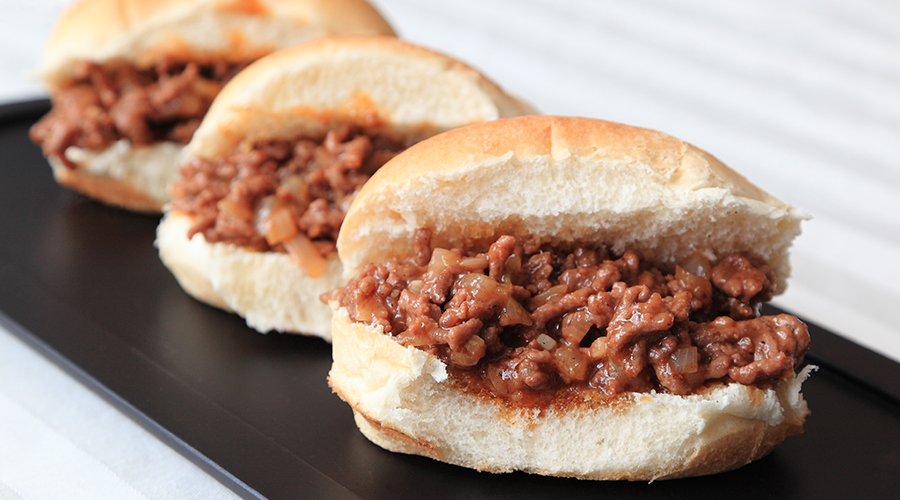
Nowhere is this trend more evident than in the revival of traditional American barbecue. While commercial barbecue joints often rely on shortcuts, nothing compares to the meticulous, time-tested methods passed down through generations. Specifically, my grandma’s recipe for barbecue sandwiches represents the absolute pinnacle of this culinary craft. It is a dish born out of patience, love, and a deep understanding of flavor layering. Here is a look into how we can fashion a masterpiece in our own kitchens using my grandma’s closely guarded secrets.
The Philosophy of Heirloom Barbecue
To understand why my grandma’s barbecue sandwiches remain unmatched, one must understand her philosophy on cooking. She always said that great barbecue cannot be rushed, nor can it be hidden behind overprocessed ingredients. It requires a harmony between the meat, the wood or gentle heat, and a balanced sauce that complements rather than overpowers the natural flavors of the pork or beef.
Unlike modern recipes that rely heavily on liquid smoke or excessive high-fructose corn syrup, her method focused on creating deep flavor dimensions. She treated the preparation of a barbecue sandwich with the same care and precision a designer uses to assemble a high-end fashion garment—carefully selecting the raw materials, preparing the foundation, and layering the textures until the final piece was completely flawless.
The Secret Recipe: Step-by-Step Construction
My grandma primarily used a high-quality pork shoulder (often called Boston butt) because the excellent fat marbling ensures the meat stays incredibly juicy throughout the long, slow cooking process.
Step 1: The Flavor Foundation (The Dry Rub)
Before the meat ever touches the heat, it must be thoroughly seasoned. My grandma’s signature dry rub was a simple yet effective blend of coarse sea salt, cracked black pepper, dark brown sugar, garlic powder, onion powder, and a generous amount of smoked paprika for that authentic backyard aroma. She would massage this rub deeply into the pork shoulder, wrap it securely, and let it cure in the refrigerator overnight. This step draws out surface moisture and creates a beautifully seasoned exterior crust, known in the barbecue world as the “bark.”
Step 2: The Gentle, Slow Simmer
The next morning, the meat is placed into a heavy-bottomed Dutch oven or a slow cooker. Grandma’s secret liquid base was a cup of apple cider vinegar mixed with a splash of Worcestershire sauce and a bit of water. She would cover the vessel tightly and let the pork cook at a very low temperature—around 135°C (275°F)—for six to eight hours. By cooking the meat so slowly, the tough connective tissues completely break down, allowing the pork to pull apart effortlessly with just two forks.
Step 3: The Tangy Homemade Sauce
While the meat cooks, it is time to assemble the heirloom barbecue sauce. Grandma rejected store-bought bottles, choosing instead to simmer a rich blend of tomato paste, apple cider vinegar, molasses, brown sugar, yellow mustard, and a pinch of cayenne pepper for a subtle kick. The sauce is cooked until it thickens into a glossy, mahogany glaze that perfectly balances sweet, tangy, and savory notes.
Fashioning the Ultimate Sandwich Assembly
A great barbecue sandwich is about more than just the meat; it requires the perfect vehicle and accompaniments to achieve textural balance.
To recreate my grandma’s classic presentation, choose a soft, slightly sweet brioche bun or a traditional potato roll. Lightly toast the interior of the bun with a bit of butter to create a sturdy barrier that prevents the juices from making the bread soggy.
Piled high with the succulent, sauce-drenched pulled pork, the sandwich is then crowned with a generous spoonful of crisp, cold coleslaw. The coleslaw—made with shredded cabbage, carrots, and a tangy apple cider mayonnaise dressing—provides a refreshing, crunchy contrast to the warm, rich, and tender meat underneath.
Conclusion
Fashioning my grandma’s barbecue sandwich recipe is a beautiful reminder that the best things in life take time. By honoring these traditional cooking methods and stepping away from modern convenience products, you can elevate a simple sandwich into an extraordinary culinary experience. It is a comforting, soul-satisfying dish that connects us to the past, proves the value of kitchen patience, and brings people together around the dinner table to share a timeless American tradition.